UHDARC Weather
Space Weather
NOAA SWPC
Radio Ops
Auto-refresh: 2 min
Kp
5.0
t: 2026-02-14 23:59:00 UTC
Bt / Bz
— / — nT
t: — UTC
Wind Speed
— km/s
t: — UTC
Density
— p/cc
Solar wind
X-ray
B5.0
t: 2026-02-15 00:13:00 UTC
Solar Flux
151 sfu
t: 2026-01-05 17:00:00 UTC
R: 0
G: 0
S: 0
Scales t: 2026-02-14 00:16:00 UTC
Tip: Sustained Bz < 0 (southward) + elevated Kp often means aurora/VHF fun — and HF can get rough.
Live Panels (NOAA SWPC)
Planetary K Index
Kp

Higher Kp = more geomagnetic disturbance (aurora chances go up, HF can get weird).
GOES X-ray Flux
Flares

Sudden spikes can cause HF fadeouts (R-scale radio blackouts).
Solar Wind (Mag + Plasma)
IMF
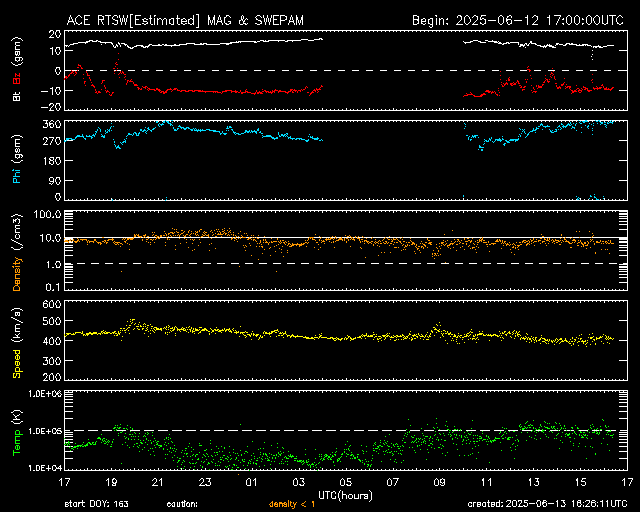
Look for sustained southward Bz (often a “storming / aurora” ingredient).
Aurora Oval
OVATION
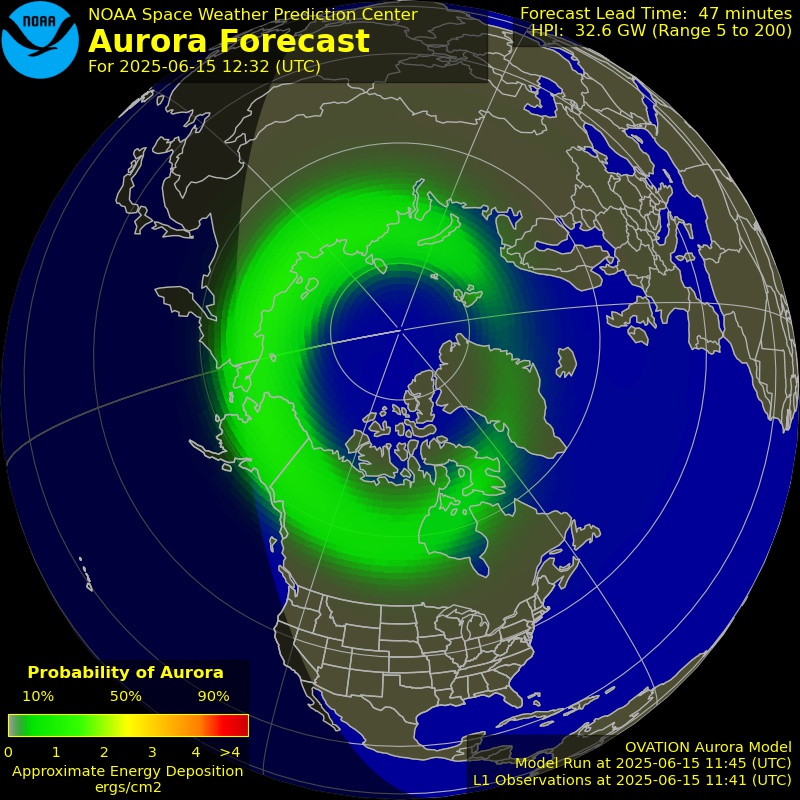
Quick scan: is the oval pushed south enough to matter in the West?
NASA Sun Context (SDO)
SDO AIA 193Å
NASA
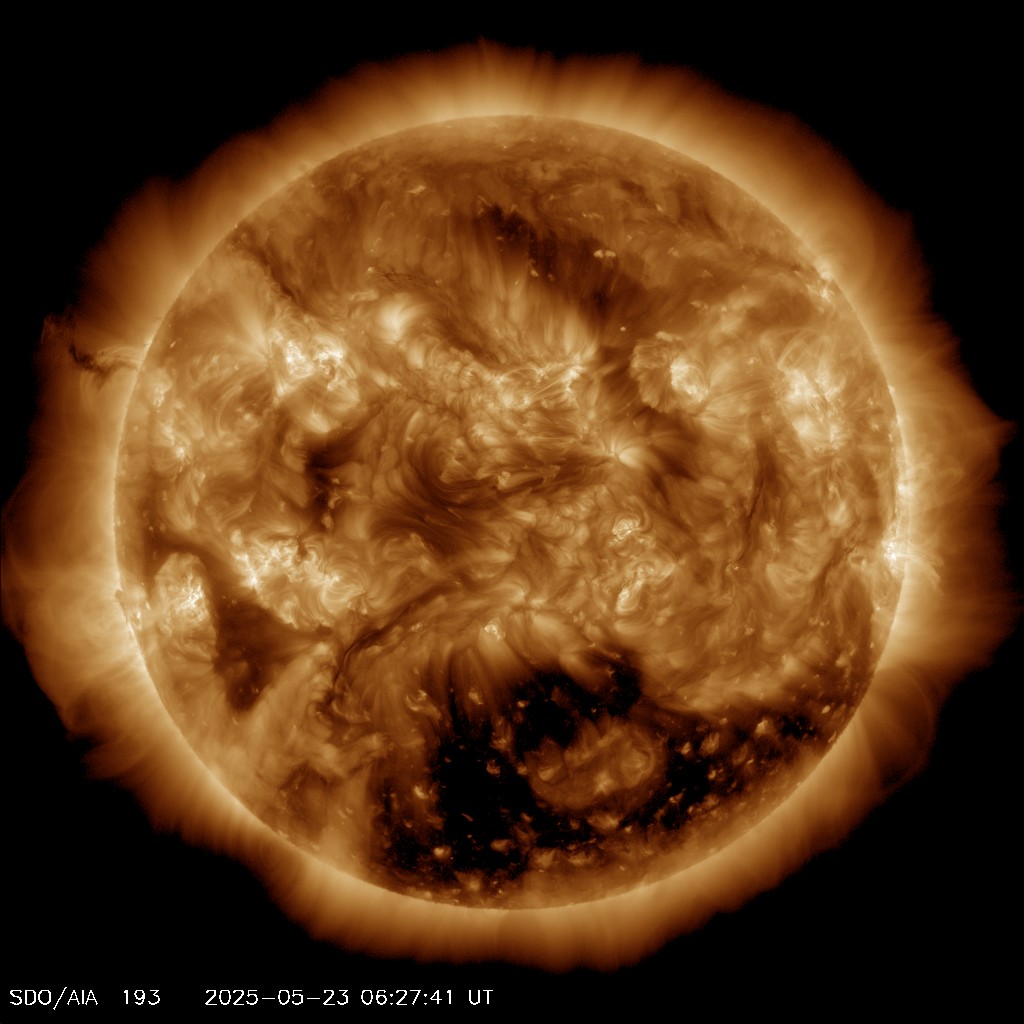
Coronal holes and active regions can hint at incoming wind streams and flare potential.
SDO HMI Magnetogram
NASA
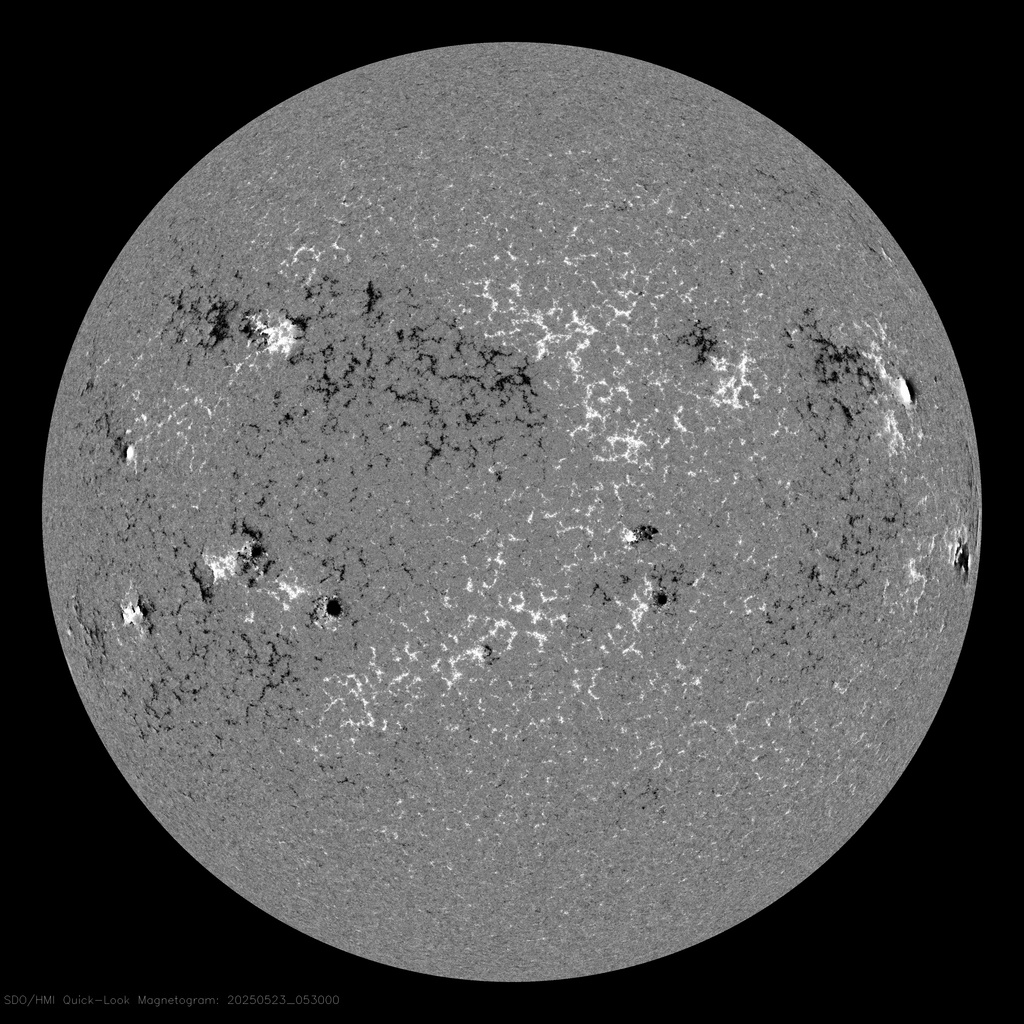
Complex sunspot magnetic regions correlate with stronger flare risk (watch X-ray).
What to Watch
HF / VHF Quick Guide
Metrics update automatically (images every 2 minutes; numbers about every 60 seconds).
Links
Official Sources
NOAA / NASA